iReady is an online educational program designed to help students improve their reading and math skills through personalized learning paths. One of the key features of iReady is its leveling system, which categorizes students based on their current abilities. Level E is one of these levels, and understanding what it means can help parents and educators support students effectively.
In this blog post we will discuss about what is level e in iready.
Understanding iReady’s Leveling System
iReady uses a diagnostic assessment to place students into different levels based on their performance. These levels are aligned with grade-level expectations and help tailor instruction to meet each student’s needs.
How Are iReady Levels Determined?
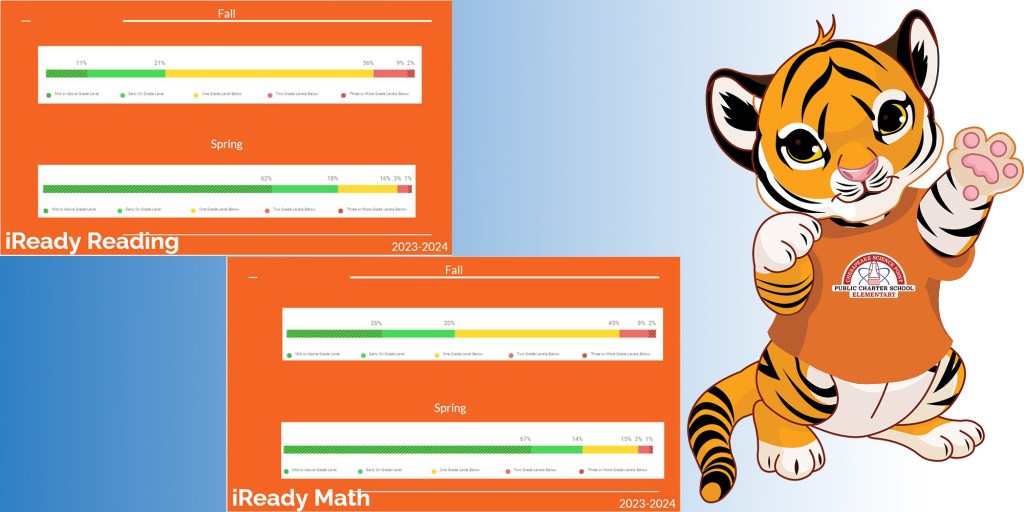
Students take a diagnostic test at the beginning of the school year, and sometimes throughout the year, to assess their skills in reading and math. Based on their scores, they are placed into a level that matches their current abilities. The levels range from Level AA (Kindergarten readiness) up to Level H (eighth grade proficiency).
What Does Level E Represent?
Level E in iReady typically corresponds to fifth-grade level skills in both reading and math. Students placed in this level have demonstrated proficiency in fourth-grade content and are ready to tackle more complex fifth-grade material.
Key Skills Covered in iReady Level E
Reading Skills in Level E
At this level, students work on advanced comprehension and analytical skills. Some key areas include:
1. Vocabulary Development
Students expand their vocabulary by learning more complex words, including academic and domain-specific terms.
2. Reading Comprehension
Level E focuses on deeper comprehension, requiring students to:
- Analyze themes and main ideas
- Compare and contrast texts
- Make inferences based on evidence
3. Text Structure and Features
Students learn to identify different text structures (cause and effect, problem and solution) and use text features (headings, graphs, captions) to enhance understanding.
Math Skills in Level E
In math, Level E covers essential fifth-grade concepts, including:
1. Operations with Fractions and Decimals
Students learn to:
- Add, subtract, multiply, and divide fractions
- Convert between fractions and decimals
- Solve word problems involving these operations
2. Algebraic Thinking
Level E introduces basic algebra concepts, such as:
- Writing and interpreting numerical expressions
- Understanding patterns and relationships
3. Geometry and Measurement
Students explore:
- Volume and area calculations
- Properties of two-dimensional shapes
- Coordinate plane basics
How to Support a Student in Level E
If your child or student is placed in Level E, here are some ways to help them succeed:
1. Encourage Regular Practice
Consistency is key in iReady. Ensure students complete their assigned lessons regularly to reinforce skills.
2. Provide Additional Resources
Supplement iReady with books, educational games, and real-world math problems to strengthen understanding.
3. Monitor Progress
Check iReady reports to track improvement and identify areas where extra help may be needed.
4. Communicate with Teachers
If a student struggles with Level E content, teachers can provide targeted interventions or adjust the learning path.
Conclusion
Level E in iReady signifies that a student is working at a fifth-grade proficiency level in reading and math. By understanding what this level entails, parents and educators can better support students in mastering essential skills. With consistent practice and the right resources, students can continue progressing through iReady’s levels and building a strong academic foundation.
Would you like more details on specific iReady lessons or strategies for Level E? Let us know in the comments!
 iReady Diagnostic Scores by Grade 2025-2026